What Principals Wish Business Partners Knew (and Vice Versa)
Why schools and businesses often talk past each other — and the simple shifts that turn misunderstandings into momentum.


When I first stepped into the role of PIE Coordinator, one of the first situations I encountered was a shaky school-business partnership. The principal told me, with some frustration, that their partner didn’t seem engaged, the support had dwindled, and the relationship felt stagnant.
But when I spoke with the business representative, I heard a very different story.
“All they ask for is money,” he said. “I was hoping to do something more meaningful — get our employees involved, use our resources, really make an difference. But every time I hear from them, it’s just another request for funds.”
The irony? That same principal would have loved to have employees involved and access to resources. They simply didn’t know how to ask for it.
That misunderstanding — well-intentioned people talking past one another — is at the heart of why so many partnerships struggle to reach their full potential. And it’s not unique to that school. Even now, I see principals wrestle with how to shape projects that go beyond writing checks. That’s one of the reasons we created the PIE Project Lab, a custom GPT designed to help schools build tailored, collaborative projects based on their needs and the unique assets their partners bring to the table.
The truth is, both sides often want the same thing — meaningful, lasting impact — but they approach the partnership from very different angles. Here’s what they wish the other knew.
What Principals Wish Business Partners Knew
Speaking as a former principal, we are deeply committed to our students and our schools, but we operate in a world that looks very different from the business environment. Here’s what we often wish our partners understood:
- We don’t always know how to ask. Principals see opportunities everywhere, but translating school needs into a clear, actionable request for a business partner isn’t easy. Many worry about overstepping or asking for too much, so they fall back on what feels “safe”: financial support.
- Even small contributions make a big difference. Businesses often underestimate the impact of seemingly minor gestures. A few hours of mentorship, a short video from employees about how they use math or writing, or donated materials for a project can transform student experiences.
- We value consistency over one-time gestures. A small, ongoing commitment builds momentum and trust more than a single large donation. Showing up regularly matters.
- We’re working inside constraints. State testing schedules, budget cycles, and policies can slow things down or make plans shift — not because schools aren’t committed, but because their systems work differently.
What Business Partners Wish Principals Knew
On the other side of the table, businesses want to make a difference — but their priorities and ways of operating can differ just as much. Here’s what they often wish schools understood:
- We need clarity to act. Broad requests like “support literacy” are hard to translate into action. Specific ideas — such as hosting a reading day, donating books, or filming short literacy-themed videos — give businesses something they can say yes to.
- Visibility matters to us, too. Businesses often hope for community awareness, employee engagement, or brand alignment as part of their involvement. Giving a check in the principal's office in private hides the gesture. Looking for acknowledgement doesn’t make the partnership less genuine; it’s just part of how they measure success.
- Our timing and resources follow different rhythms. Fiscal calendars, budget approvals, and staffing cycles affect when and how we can help. It’s not reluctance; it’s logistics.
- Feedback keeps us motivated. A simple thank-you note, a student quote, or a quick update on impact helps us see the difference we’re making and keeps our teams excited about staying involved.
Bridging the Gap: Three Steps to Better Partnerships
So how do we get schools and businesses speaking the same language? Here are three powerful steps any partnership can take:
- Translate, don’t just communicate. When you make a request or offer, phrase it in a way that resonates with the other side’s world. Principals can connect projects to business goals; businesses can link resources to learning outcomes.
- Schedule regular alignment conversations. A 30-minute meeting once or twice a year to discuss what’s working, what’s needed, and what’s possible clears up misunderstandings before they grow.
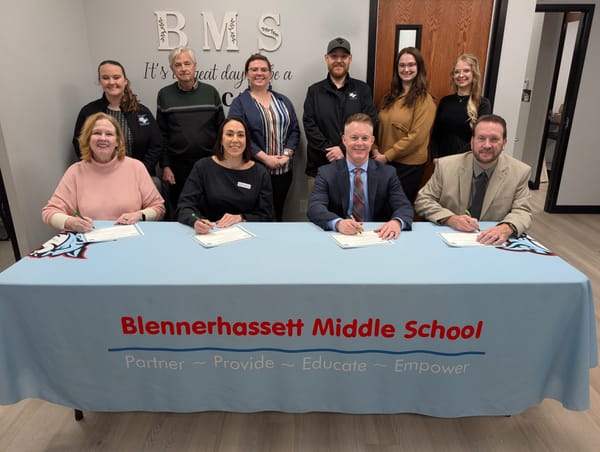
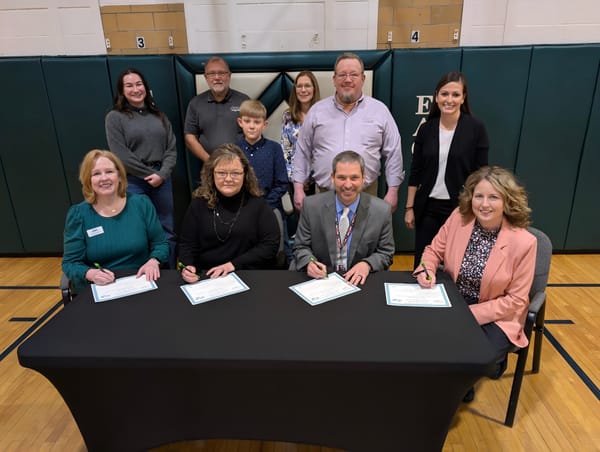
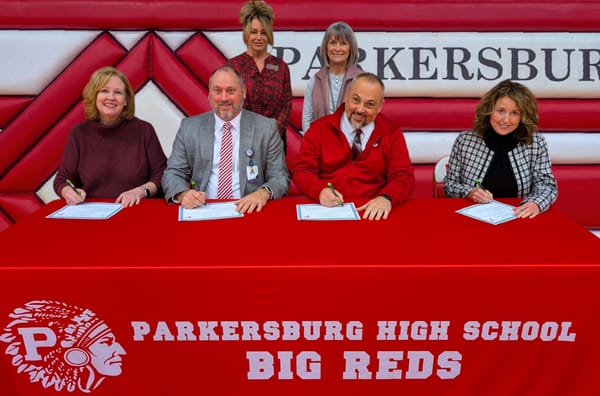
- Celebrate the wins — together. Share stories, photos, and outcomes publicly. Not only does it strengthen the partnership, but it also builds community support and encourages continued involvement.
A Final Thought
At the end of the day, schools and businesses want the same thing: to make a real difference for students and the community. But even the strongest partnerships can stumble if each side assumes the other “just knows” what they mean. Bridging that gap takes intention, clarity, and the courage to ask for — and offer — more than just money.
And now, with tools like the PIE Project Lab, principals have a powerful way to turn those conversations into customized, collaborative projects that bring every partner’s best to the table.